
Follower count isn't everything. Here's what brands actually look for when evaluating influencers - and how to position yourself to land more deals.
Follower count still appears on slide one of many internal decks, but it rarely appears alone. Marketing orgs now pair top-of-funnel reach with attention quality, audience integrity, brand-safety history, and creative reliability—because finance teams ask for forecasts, not screenshots.
That shift is good news for disciplined smaller creators. When evaluation weights move toward engagement depth, conversion proxies, and niche authority, a focused 15K following can beat a broad 300K following that cannot explain who actually watches or buys.
Below we translate the rubrics we hear from brand-side teams into concrete upgrades for your media kit, your outbound pitch, and the way you talk about results after a campaign wraps.

The Follower Count Myth
Here's the truth: follower count is the least important metric for most brands in 2026.
📊 The Reality
A creator with 10K followers and a 10% engagement rate is often more valuable than someone with 100K followers and a 1% engagement rate. Brands care about engaged audiences, not just big numbers.
Why? Because follower count can be:
- Inflated: Bought followers, inactive accounts, bots
- Irrelevant: Followers who don't engage with your content
- Wrong audience: Followers who don't match the brand's target market
- Low quality: Followers who won't convert into customers
Smart brands know this. That's why they look beyond follower count to evaluate creators.
What Brands Actually Look For: The Evaluation Framework
When brands evaluate influencers, they use a multi-factor framework. Here's what they're really assessing:
1. Engagement Rate (The Most Important Metric)
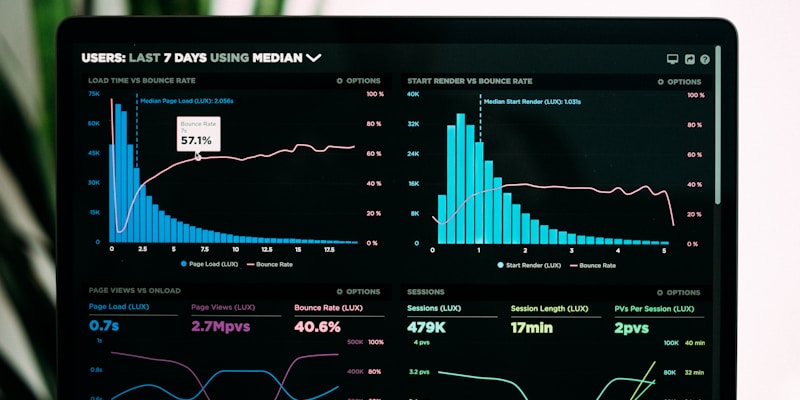
Engagement rate is the #1 metric brands care about. It shows how much your audience actually interacts with your content.
Brands look for:
- High engagement rates: 5%+ is excellent, 3-5% is good, below 3% is concerning
- Consistent engagement: Not just one viral post, but steady engagement across content
- Quality comments: Real, thoughtful comments (not just emojis or spam)
- Shares and saves: Shows content resonates deeply with your audience
Why engagement matters: Brands want creators whose audiences actually pay attention. High engagement means your followers are invested in your content - and more likely to act on brand recommendations.
2. Audience Quality and Demographics
Brands need to know if your audience matches their target market. This is where demographics become crucial.
Brands evaluate:
- Age range: Does your audience match their target demographic?
- Gender breakdown: Is the split aligned with their customer base?
- Geographic location: Are your followers in markets they serve?
- Interests and hobbies: Do your followers care about their product category?
- Income level: Can your audience afford their products?
- Follower authenticity: Are your followers real people or bots?
A creator with 50K followers who match the brand's target audience is more valuable than someone with 500K followers who don't.
3. Content Quality and Aesthetic

Brands want to work with creators who produce high-quality content that aligns with their brand aesthetic.
They evaluate:
- Visual quality: Professional photos, good lighting, clear videos
- Consistency: Cohesive aesthetic across your content
- Creativity: Unique angles, fresh ideas, engaging storytelling
- Brand alignment: Does your style match their brand values?
- Content variety: Can you create different types of content (Reels, Stories, long-form)?
- Production value: Professional editing, good audio quality
Brands want to see that you can create content that makes their products look good - and that your existing content quality suggests you'll deliver professional results.
4. Niche Alignment and Expertise
Brands prefer creators who are experts in their niche, not generalists who post about everything.
They look for:
- Clear niche focus: Fashion, fitness, tech, beauty, etc.
- Authority in your niche: Are you seen as an expert or trusted voice?
- Relevant content: Does your content relate to their product category?
- Audience interest: Does your audience care about their type of products?
- Past collaborations: Have you worked with similar brands successfully?
A fitness brand wants to work with fitness creators, not lifestyle generalists. Niche alignment shows you understand their product category and can speak authentically to their target audience.
5. Past Performance and Results
Brands want proof you can deliver results. Your past collaborations are social proof.
They evaluate:
- Brand partnerships: Have you worked with reputable brands?
- Campaign results: Engagement rates, reach, conversions from past collaborations
- Content quality: How did your sponsored content perform?
- Professionalism: Did you meet deadlines? Were you easy to work with?
- Testimonials: What do past brand partners say about you?
- ROI proof: Can you show measurable results from past campaigns?
Even if you're just starting out, include any partnerships you've had - every brand logo adds credibility. If you can show results (even small ones), include them.
6. Professionalism and Communication
Brands want to work with creators who are professional, responsive, and easy to collaborate with.
They assess:
- Response time: How quickly do you respond to inquiries?
- Media kit quality: Is your media kit professional and well-organized?
- Transparent pricing: Do you have clear rates, or do brands have to negotiate blindly?
- Contract handling: Are you professional in negotiations?
- Deadline adherence: Do you deliver on time?
- Communication style: Are you clear, professional, and easy to work with?
A professional media kit, quick responses, and transparent pricing show brands you're serious about partnerships - not just looking for free products.
7. Authenticity and Brand Fit
Brands want creators who authentically align with their values and can genuinely recommend their products.
They look for:
- Genuine interest: Do you actually use or care about their product category?
- Brand values alignment: Do your values match theirs?
- Authentic voice: Can you speak naturally about their products?
- Audience trust: Does your audience trust your recommendations?
- No competitor conflicts: Are you working with direct competitors?
Brands can tell when creators are just in it for the money. Authentic creators who genuinely care about the product category perform better - and brands know it.
What Brands Look For in a Media Kit
Your media kit is where brands evaluate all these factors. Here's what they want to see:
Essential Media Kit Elements
Verified Stats
Engagement rates, follower counts with verification badges - proves your numbers are real
Audience Demographics
Age, gender, location, interests - shows if your audience matches their target market
Content Portfolio
Links to your best work - proves content quality and aesthetic alignment
Past Collaborations
Brand logos and results - shows you can deliver and work professionally
Transparent Pricing
Clear rates and packages - shows professionalism and saves time
Niche Description
Clear explanation of your focus - helps brands assess alignment
How to Position Yourself: Tips for Landing More Deals
1. Highlight Your Engagement Rate
Don't just list your follower count - lead with your engagement rate. If you have 20K followers and a 8% engagement rate, that's more impressive than 100K followers with 2% engagement.
Make engagement rate prominent in your media kit. Include verified screenshots showing your engagement metrics.
2. Showcase Your Audience Demographics
Don't make brands guess if your audience matches their target market. Include detailed demographics in your media kit.
Use platform analytics to pull age, gender, location, and interest data. Verified demographics build trust and help brands make informed decisions.
3. Demonstrate Content Quality
Include links to your best-performing content in your media kit. Show variety - Reels, Stories, long-form content - to prove you can create different formats.
Quality over quantity. It's better to showcase 3-5 outstanding pieces than 20 mediocre ones.
4. Define Your Niche Clearly
Be specific about your niche. "Fashion and lifestyle creator focused on sustainable style" is better than "lifestyle creator."
Clear niche definition helps brands quickly assess if you're a good fit for their campaigns.
5. Show Past Results
Include results from past collaborations - engagement rates, reach, conversions if available. Even small results show you can deliver.
If you're just starting out, include any partnerships you've had. Every brand logo adds credibility.
6. Be Professional
Respond to inquiries quickly (within 24-48 hours). Have transparent pricing. Use a professional media kit format. These small details show you're serious about partnerships.
Professionalism sets you apart from creators who treat brand partnerships casually.
Common Mistakes Creators Make
Avoid These Mistakes
- Focusing only on follower count: Brands care more about engagement
- Hiding engagement rates: Low engagement is a red flag - be transparent
- No demographics: Brands can't assess audience fit without demographics
- Generic niche: Be specific about what you create
- No past collaborations: Include any partnerships, even small ones
- Unprofessional media kit: Sloppy presentation suggests sloppy work
- No pricing: Brands want transparency - include your rates
Final Thoughts
Follower count isn't everything. Brands evaluate influencers based on engagement rate, audience quality, content quality, niche alignment, past performance, professionalism, and authenticity.
Understanding how brands evaluate creators helps you position yourself effectively. Focus on what matters: engagement over followers, quality over quantity, niche expertise over general content.
Your media kit should highlight these factors. Include verified stats (especially engagement rates), detailed demographics, content portfolio, past collaborations, transparent pricing, and clear niche definition.
Ready to create a media kit that shows brands what they actually care about? CollabKit makes it easy to build a professional media kit with verified stats, audience demographics, collaboration portfolio, and transparent pricing - all the elements brands look for when evaluating influencers.
Ready to Show Brands What They Actually Care About?
Create a professional media kit that highlights engagement rates, audience demographics, content quality, and past results - the factors brands actually evaluate.
Create Your Free Media KitWritten by Michael Gilmore for the CollabKit blog