
Creating a professional media kit is one of the most important steps in landing brand deals—and in 2026 it is as much about narrative and proof as it is about polish. Brands are not buying your follower count; they are buying confidence that you will protect their reputation, interpret a brief, and report results like a partner.
As an influencer or content creator, your media kit serves as your digital business card - it's often the first impression brands have of your work.
But what makes a media kit stand out from the thousands of others brands receive daily? Here's everything you need to know about building a media kit that actually converts brand inquiries into paid partnerships.
Whether you're a TikTok creator, Instagram influencer, YouTube personality, or multi-platform content creator, a well-crafted media kit can be the difference between getting ignored and landing your dream brand collaboration.
In this comprehensive guide, we'll walk you through the essential elements that make brands take notice and book you for partnerships.

Start with Verified Stats: Build Trust Through Transparency
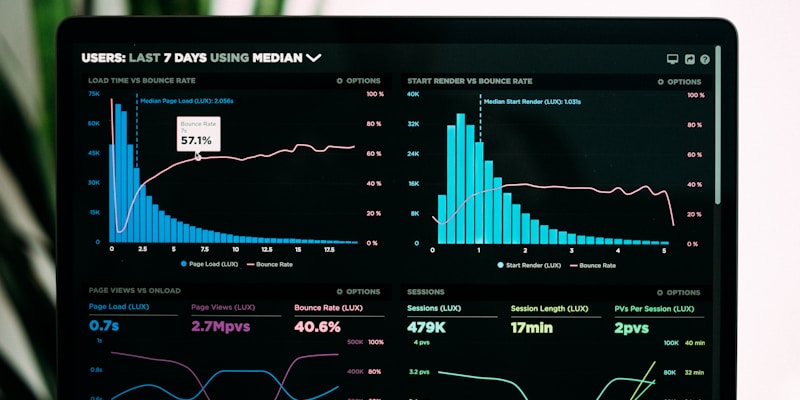
Brands receive hundreds of media kit submissions, and one of the biggest red flags they look for is unverified or inflated statistics.
When you claim to have 100K followers but can't prove it, brands will move on to the next creator.
That's why verified stats are the foundation of a trustworthy media kit.
Verified stats work by allowing you to upload screenshots of your analytics from platforms like TikTok, Instagram, and YouTube.
These screenshots are then marked with a verification badge and a "Last verified" date, showing brands that your numbers are real and current.
This transparency builds immediate trust and sets you apart from creators who only list unverified follower counts.
Here's what to verify in your media kit:
- Follower counts across all your social media platforms
- Engagement rates (likes, comments, shares, saves)
- Average views per post or video
- Demographics including age, gender, location, and interests
- Reach and impressions for recent content
💡 Pro Tip
Update your verified stats monthly. Brands appreciate current, accurate data.
A media kit with stats verified last week is far more credible than one verified six months ago. Set a monthly reminder to refresh your analytics screenshots.
Showcase Your Best Work: Build Your Collaboration Portfolio

Your collaboration portfolio is where you prove you can deliver results.
This section is crucial because brands want to see that you've successfully worked with other companies before.
A strong portfolio demonstrates your professionalism, creativity, and ability to drive engagement.
When building your collaboration portfolio, include:
- Brand logos from past collaborations - even if you're just starting out, include any partnerships you've had, no matter how small
- Key metrics and results from campaigns, such as engagement rates, click-through rates, sales generated, or impressions achieved
- Links to your best-performing content so brands can see your work quality firsthand
- Case studies for your top partnerships, including the brief, your approach, and the results
- Testimonials from brand partners (if available) to add social proof
- Content samples that showcase your style, creativity, and ability to align with brand messaging
Remember, quality over quantity.
It's better to showcase 3-5 strong collaborations with detailed results than 20 partnerships with no context.
Each portfolio item should tell a story about how you helped a brand achieve their goals.
Set Clear Pricing: Make It Easy for Brands to Book You

One of the biggest mistakes creators make is hiding their pricing or making brands jump through hoops to get a quote.
Brands are busy - they want to quickly understand if you fit their budget.
Transparent pricing not only saves time but also positions you as a professional who values efficiency.
Create clear pricing packages that include:
- Deliverables (exactly what they get - e.g., "1 Instagram Reel, 3 Instagram Stories, 1 TikTok video")
- Timeline (how long it takes from brief to delivery - e.g., "7-10 business days")
- Usage rights (how long they can use the content - e.g., "6 months exclusive, then non-exclusive")
- Starting prices (transparent rates - you can note "starting at $X" if you offer custom packages)
- Add-ons (optional extras like extended usage rights, additional platforms, or exclusivity)
- Payment terms (e.g., "50% deposit, 50% on delivery")
Consider creating tiered packages (e.g., Starter, Professional, Premium) that cater to different budget levels.
This makes it easy for brands to find an option that works for them while also upselling to higher-value packages. Learn more about pricing packages to see how to structure your rates effectively.
Make It Easy to Contact You: Remove Friction from the Booking Process

Every barrier between a brand and contacting you reduces your chances of landing a deal.
If a brand has to search for your email, remember to follow up, or navigate away from your media kit to contact you, they might not bother.
That's why embedding a brand inquiry form directly on your media kit is essential.
A well-designed inquiry form should capture:
- Brand name and contact information
- Campaign details and goals
- Budget range (if they're willing to share)
- Timeline and deadlines
- Any specific requirements or deliverables
Set up automatic email responses so brands immediately know you received their inquiry.
This professional touch shows you're organized and responsive.
Then, aim to respond to all inquiries within 24-48 hours - brands are often working on tight timelines and appreciate quick responses. Learn more about brand inquiry forms and how they can increase your booking rate.
Additional Tips for Media Kit Success
Keep Your Media Kit Updated
Your follower count, engagement rates, and portfolio are constantly evolving.
An outdated media kit with stats from six months ago won't reflect your current value.
Set quarterly reminders to review and update your media kit, especially your verified stats and collaboration portfolio.
Tell Your Story
Beyond the numbers, brands want to know who you are and what makes you unique.
Include a compelling bio that highlights your niche, values, and what sets you apart from other creators.
Your personality and brand alignment matter just as much as your metrics.
Make It Mobile-Friendly
Many brand managers review media kits on their phones.
Ensure your media kit looks great and functions perfectly on mobile devices.
A mobile-optimized media kit shows you understand modern workflows and care about user experience.
Final Thoughts: Your Media Kit Is Your Sales Tool
A great media kit is professional, verified, and easy to navigate.
It's your most important sales tool as a creator - it works 24/7 to convert brand interest into paid partnerships.
Focus on building trust with verified stats, showcasing your best work through a strong collaboration portfolio, setting transparent pricing, and making it effortless for brands to contact you.
Remember, your media kit should answer all of a brand's questions before they even ask.
When a brand can quickly see your stats, past work, pricing, and contact you all in one place, you've removed every barrier to booking you.
That's when media kits become deal-closers.
Ready to create your professional media kit? Get started with CollabKit and build a media kit that brands actually respond to.
Our platform makes it easy to showcase your verified stats, collaboration portfolio, and pricing packages - all in one beautiful, shareable link.