
Your influencer media kit is your digital business card - but what should actually be in it? Here's the complete influencer press kit checklist for 2026 that brands actually want to see.
If you're an influencer or content creator looking to land brand deals, you need a professional media kit. But with so much conflicting advice online, it's hard to know what brands actually want to see in 2026.
The truth? Brands receive hundreds of media kits daily, and most get deprioritized within seconds—not because the creator lacks talent, but because the document forces reviewers to hunt for basics: who you reach, what you have delivered before, and what it costs to work with you.
In 2026 the winning kits read like concise vendor profiles. They front-load proof, narrate creative strengths with examples instead of adjectives, and end with a single obvious action. If your file still reads like a mood board with metrics buried on page seven, this checklist will help you reorder the story without sacrificing personality.
Work through the sections in order; each mirrors how a typical marketing coordinator forwards your link to cross-functional partners who may know nothing about your niche.

Essential Elements: What Every Influencer Media Kit Needs
1. Verified Stats and Analytics
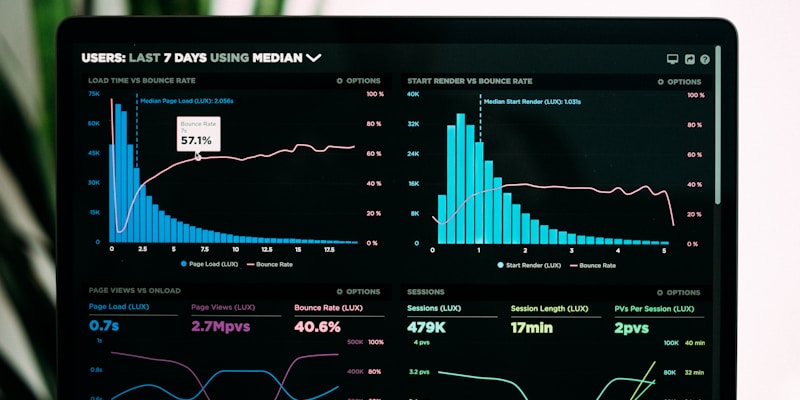
Verified stats are non-negotiable in 2026. Brands are tired of inflated follower counts and fake engagement. They want proof that your numbers are real.
Include verified screenshots of:
- Follower counts across all platforms (TikTok, Instagram, YouTube, etc.)
- Engagement rates (likes, comments, shares, saves) with verification badges
- Average views per post or video
- Audience demographics (age, gender, location, interests)
- Reach and impressions for recent content
- Last verified date to show your stats are current
💡 Pro Tip
Update your verified stats monthly. A media kit with stats verified last week is far more credible than one verified six months ago. CollabKit's verified stats feature makes it easy to add verification badges and timestamps to your analytics.
2. Compelling About Section
Your "About Me" section should answer three questions: Who are you? What do you create? Why should brands work with you?
Include:
- Professional headshot (consistent across platforms)
- Your niche (fashion, fitness, tech, lifestyle, etc.)
- Your unique value proposition (what makes you different)
- Your content style (aesthetic, tone, format)
- Your story (brief, authentic background)
Keep it concise - brands don't have time for long bios. Aim for 3-4 sentences that capture your essence.
3. Content Portfolio and Best Work

Show, don't just tell. Brands want to see your actual content quality before booking you.
Include:
- Links to your top-performing posts (3-5 best examples)
- Screenshots of your best content (high-quality visuals)
- Content variety (show different formats: Reels, Stories, long-form, etc.)
- Engagement metrics for featured posts (views, likes, comments)
- Content themes you excel at (tutorials, reviews, lifestyle, etc.)
Quality over quantity. It's better to showcase 3-5 outstanding pieces than 20 mediocre ones.
4. Past Collaborations and Case Studies
Brands want proof you can deliver results. Your collaboration history is social proof that you're professional and effective.
Include:
- Brand logos from past partnerships (even small ones count)
- Campaign results (engagement rates, reach, conversions if available)
- Links to sponsored content so brands can see your work
- Testimonials from brand partners (if available)
- Case studies for top partnerships (brief, results-focused)
If you're just starting out, include any partnerships you've had - even product gifting or small collaborations. Every brand logo adds credibility.
5. Transparent Pricing Packages

One of the biggest mistakes creators make is hiding their pricing. Brands want to know if you fit their budget upfront.
Include clear pricing packages with:
- Deliverables (exactly what they get: "1 Instagram Reel + 3 Stories")
- Timeline (how long from brief to delivery)
- Usage rights (how long they can use the content)
- Starting prices (transparent rates or "starting at $X")
- Add-ons (extended usage, exclusivity, additional platforms)
- Payment terms (50% deposit, 50% on delivery, etc.)
Consider creating tiered packages (Starter, Professional, Premium) to cater to different budgets. Learn more about pricing packages.
6. Audience Demographics and Insights
Brands need to know if your audience matches their target market. Detailed demographics help them make informed decisions.
Include:
- Age range (e.g., "18-34 years old")
- Gender breakdown (percentage male/female/non-binary)
- Top locations (countries, cities where your audience is based)
- Interests and hobbies (what your audience cares about)
- Income level (if available from platform analytics)
- Engagement patterns (when your audience is most active)
Use platform analytics (TikTok Analytics, Instagram Insights, YouTube Analytics) to pull this data. Verified demographics build trust.
7. Easy Contact and Inquiry Form
Every barrier between a brand and contacting you reduces your chances of landing a deal. Make it effortless for brands to reach out.
Include:
- Embedded inquiry form directly on your media kit (preferred)
- Email address (if no form, make it prominent)
- Response time ("I respond within 24-48 hours")
- Preferred communication method (email, DM, etc.)
- Availability ("Currently accepting collaborations" or "Booked through [date]")
An embedded inquiry form captures all necessary information upfront and makes you look more professional. Learn more about brand inquiry forms.
2026 Media Kit Trends: What's New This Year
Link Media Kits vs PDF Media Kits
In 2026, link-based media kits are becoming the standard. They're easier to update, more interactive, and brands prefer them because they can access them instantly without downloading files.
Link media kits also allow for:
- Real-time updates (no need to resend PDFs)
- Embedded inquiry forms
- Clickable links to your content
- Mobile-friendly viewing
- Analytics tracking (see who viewed your kit)
While PDFs still work, link-based media kits are what forward-thinking creators are using in 2026.
AI-Generated Audience Summaries
Some creators are now including AI-generated summaries of their audience insights, making it easier for brands to quickly understand who they're reaching.
These summaries highlight key audience characteristics in a scannable format, saving brands time when evaluating creators.
Video Introductions
Some creators are adding short video introductions (30-60 seconds) to their media kits, giving brands a feel for their personality and on-camera presence.
This is optional but can help you stand out, especially for video-focused creators.
Common Mistakes to Avoid
Don't Make These Mistakes
- Unverified stats: Always include verification badges or screenshots
- Outdated information: Update your media kit monthly
- Too long: Keep it concise - brands spend 30 seconds max reviewing kits
- No pricing: Brands want transparency - include your rates
- Hard to contact: Make your contact info prominent and easy to find
- No portfolio: Always include examples of your best work
- Generic content: Show your unique style and personality
Complete Influencer Press Kit Checklist
Use This Checklist When Creating Your Media Kit
Final Thoughts
Your influencer media kit is your most important sales tool. It works 24/7 to convert brand interest into paid partnerships.
In 2026, brands want verified stats, transparent pricing, easy contact methods, and proof you can deliver results. Include all the elements from this influencer press kit checklist, and you'll stand out from the thousands of generic media kits brands receive daily.
Remember: Your media kit should answer all of a brand's questions before they even ask. When they can quickly see your stats, past work, pricing, and contact you all in one place, you've removed every barrier to booking you.
Ready to create your professional media kit? Get started with CollabKit and build a media kit that includes all these essential elements - verified stats, collaboration portfolio, transparent pricing, and an embedded inquiry form - all in one beautiful, shareable link.
Ready to Create Your Media Kit?
CollabKit makes it easy to build a professional influencer media kit with all the essential elements brands want to see - verified stats, collaboration portfolio, transparent pricing, and more.
Create Your Free Media KitWritten by Jordan Ellis for the CollabKit blog